The Architecture of Luxury: What Really Makes a Villa Feel Luxurious?
Luxury is not simply about expensive materials or statement furniture. It comes from proportion, natural light, materiality, functionality, and the way a space makes people feel.

Architect & Interior Designer
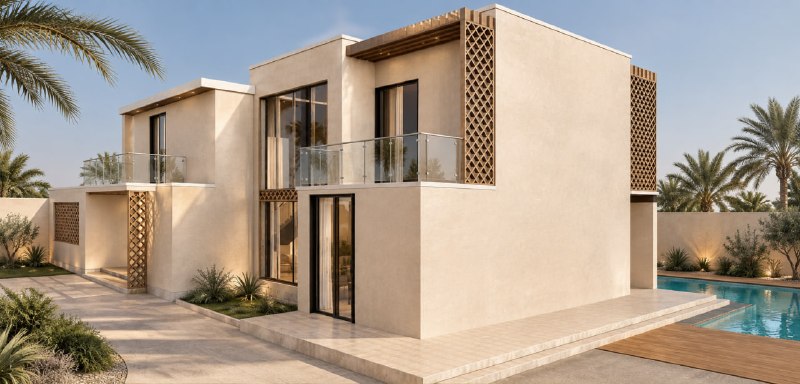
Luxury villa design is not simply about expensive materials, statement furniture, or impressive spaces. True luxury comes from the relationship between proportion, natural light, materiality, functionality, and the way a space makes people feel.
In contemporary architecture and interior design, luxury is moving away from visual excess. It is becoming more personal, refined, and experiential. A truly luxurious villa does not need to announce its value. It communicates it through carefully considered details, seamless transitions, and a strong sense of place.
At AsiZstudio, we believe luxury architecture begins with understanding how people want to experience a space, not simply how they want it to look.
Luxury Begins with Architecture
Before selecting furniture, finishes, or decorative elements, the architecture itself establishes the foundation of a luxury villa.
Proportion, scale, circulation, ceiling height, openings, and spatial relationships all influence how a villa feels. A generous entrance can create a sense of arrival. A double-height living room can introduce openness and drama. Large openings can visually connect an interior with a garden, terrace, or swimming pool.
The most successful luxury villas have a clear architectural concept that continues from the exterior façade to the interior spaces. This is why luxury villa architecture should be considered as one integrated experience rather than a collection of individually designed rooms.
Natural Light as a Design Element
Light is one of the most powerful materials in architecture. Unlike marble or timber, it changes throughout the day, constantly transforming the atmosphere of a space.
Large glazed openings, carefully positioned windows, skylights, and shaded outdoor spaces can shape a villa's atmosphere from morning to evening.
In warm climates such as Dubai, successful villa design requires more than simply maximizing glazing. Solar exposure, shading, privacy, thermal comfort, and orientation must all be considered.
The goal is to create a strong connection with natural light and views while maintaining comfort and control.
Architectural screens, deep overhangs, recessed glazing, curtains, and carefully designed landscaping can help achieve this balance.
The Relationship Between Indoor and Outdoor Spaces
One of the defining characteristics of contemporary luxury villas is the seamless relationship between interior and exterior spaces.
A living room opening directly onto a landscaped terrace, an outdoor dining area overlooking a pool, or a bedroom connected to a private garden can make a villa feel larger and more connected to its surroundings.
This indoor-outdoor relationship is particularly important in Dubai villa design, where outdoor living can become a natural extension of the interior. Instead of treating the terrace, pool, garden, and interior as separate elements, they can be designed as parts of one continuous spatial experience.
Materials can reinforce this continuity. Similar tones, textures, or flooring materials can visually connect interior spaces with outdoor areas.
Materiality Over Decoration
Luxury is often associated with expensive materials, but price alone does not make a space feel luxurious. The real impact comes from how materials are selected, combined, detailed, and executed.
Natural stone, wood, glass, metal, textured plaster, and premium fabrics can create an elegant palette when used with restraint. Warm timber, natural stone, soft neutral fabrics, and carefully controlled lighting can create a sophisticated atmosphere without visual overload.
Using too many statement materials at once can make an interior feel busy rather than refined. Successful luxury interior design usually has a clear material hierarchy. One material may form the architectural background, another may add warmth, while smaller details introduce contrast and personality.
Details Create the Difference
Luxury is often experienced through details that are not immediately obvious: the alignment of doors and wall panels, the proportion of a staircase, concealed lighting, integrated storage, carefully designed junctions, and the quality of hardware.
For this reason, luxury design is not only about the concept. It is also about execution. A beautiful render can communicate an idea, but the real quality of architecture becomes visible when the project is built.
Technical precision is part of the design process. Digital tools such as BIM and Revit can help architects coordinate architectural elements, materials, dimensions, and building systems more accurately, reducing conflicts and improving communication throughout a project.
A Luxury Villa Should Feel Personal
There is no universal definition of luxury. For one person, it may mean a quiet bedroom overlooking a garden. For another, it may be a dramatic entertainment space, a private spa, or a sophisticated outdoor living area.
The best luxury interiors reflect the lifestyle of the people who live in them. During the design process, important questions include:
- How does the client move through the house?
- Where do they spend most of their time?
- How much privacy do they need?
- How do they entertain guests?
- Which views matter most to them?
- How should the villa feel in the morning, afternoon, and evening?
When architecture responds to these questions, the result becomes more than visually impressive. It becomes personal.
Quiet Luxury vs. Visual Excess
Contemporary luxury design is increasingly embracing a more restrained aesthetic. Neutral palettes, natural textures, clean architectural lines, integrated lighting, and carefully selected furniture can create a sophisticated environment without excessive ornamentation.
This approach is often described as quiet luxury. However, quiet luxury does not mean every space must be minimalist. A villa can still include dramatic stone, sculptural lighting, bold artwork, or expressive furniture.
The key is balance. A strong design knows where to create visual impact and where to allow the architecture to remain quiet.
Luxury Is an Experience
Ultimately, the feeling of luxury comes from the complete experience of a space.
It is the feeling of entering a beautifully proportioned entrance. It is the morning light entering through a carefully positioned opening. It is the connection between a living room and a pool, the texture of natural stone beneath your hand, and the privacy of a bedroom separated from social spaces.
It is the comfort of moving through a house where every element feels intentional.
Luxury is not simply what you see. It is what you experience.
Designing Luxury with Purpose
A successful luxury villa brings architecture, interior design, landscape, lighting, materials, and technology together as one coherent vision. The result should not feel like a collection of expensive elements. It should feel effortless.
At AsiZstudio, our approach to architecture and interior design is centered on creating refined, functional, and individual spaces where aesthetics and experience work together.
Because ultimately, the most luxurious space is not necessarily the one with the most expensive materials. It is the one where every decision has a reason.
If you are planning a villa or interior project, start a private design conversation to discuss your vision, priorities, and next steps.
Asiyeh Zarassi
Founder of AsiZstudio. I design homes and interiors that reduce the stress of building, with clear plans, honest budgets, and 3D visualization before anything is built.